Never Too Late
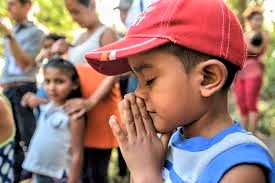
Many news outlets have reported results of a recent Gallup poll showing an unprecedented increase in the number of young Americans who say religion is “very important” in their lives.
That is surprising enough, but the poll also found that young men were fueling this result. While the percentage of young men rose sharply from 28 percent in 2022-2023 to 42 percent of men ages 18-29 now, the percentage of young women with that view of religion “held steady at about 32 percent. Gallup calls this increase among young men “a statistically significant margin.”
At the same time, Catholic leaders around the country report welcoming “record number of new members into full communion with the Church during this year’s Easter celebrations,” according to Religious News Service.
Not Just Catholics
But it’s apparently not happening just among Catholics.
“Stories abound right now of young people turning (or returning) to Christian faith in surprising numbers across denominations, the RNS reports. “For a few years, survey data confirmed that our country’s long-running trend toward secularization seemed to have bottomed out. Religious participation had stabilized by 2025 — lower than it was 30 years ago, but stable. Now in 2026, we are watching the numbers go up.”
This may be a reason for optimism, but it also should be met with a measure of skepticism. Historically, people have been drawn more closely to religion during times of social and political unrest. It’s well known that monasteries and convents filled quickly after the Second World War, for instance, presumably linked to the horrors of war experienced by so many people.
Wants a Relationship
Still, the increase in interest in religion, especially among young people, reminds me that when it comes to the search for God, it’s never too late. God obviously wants a relationship with all of us, no matter our previous lack of enthusiasm for religion and spirituality.
One of the books that made a great impression on me as a young man was Thomas Merton’s “The Seven Story Mountain.” It’s the story of Merton’s transformation from atheistic playboy to Trappist monk, theologian, mystic, poet, and social activist.
Merton, who died in 1968, was born in France and lived much of his early life in New York and England. His mother died when he was a child and his father when Merton was in college.During his adolescence and early adulthood, Merton explored various philosophies and lifestyles, including narcissism, communism, and secular intellectual pursuits.
He attended schools in Europe, including Oakham and Cambridge, and later Columbia University in New York, where he was exposed to literature and ideas that influenced his spiritual thinking. Despite periods of indulgence and aimlessness, Merton’s inner longing for peace and purpose persisted.
A Life Aligned with God
He converted to Catholicism at age 23, seeking a life aligned with God. After teaching at the college level for a period, he entered the Abbey of Our Lady of Gethsemani in Kentucky, embracing a life of solitude, prayer, and contemplation.
The Seven Story Mountain explores themes of spiritual searching, personal transformation, and the pursuit of inner peace. His story illustrates the importance of reflection and the transformative power of faith.
The book has resonated widely, even among non-religious people, influencing generations of people who are searching for God. According to Time magazine, it was among the best-selling non-fiction books in the country in 1949, the year after it was published. It has remained continuously in print and has been translated into more than 15 languages. It was on National Review’s list of the 100 best non-fiction books of the century.